
If you’re looking to satisfy your sweet tooth with some homegrown fruit? The best apple trees for Saskatchewan is the perfect place to start. With the right apple trees, you can grow your own delicious apples right in your garden! There are a variety of fruit trees that grow well in the province, and we’ve compiled a list of the best apple trees for Saskatchewan gardens. From classic varieties like Honeycrisp to newer hybrids, these apple trees will give you an abundance of sweet and juicy fruit for years to come.
Quick Summary
Satisfy your sweet tooth with the best apples for Saskatchewan’s challenging climate. The province’s unique weather, classified as zone 3, requires careful selection of apple tree varieties. Choose cold-hardy options like Goodland, Norkent, Battleford, Parkland, and Goodman for early to mid-fall harvests, ensuring disease-resistant varieties to combat apple scab, powdery mildew, and fire blight. Plant in sunny, well-draining soil, provide proper pruning and training, and maintain watering, fertilizing, and pest control routines for a bountiful harvest of delicious homegrown apples.
Understanding Saskatchewan’s Climate for Apple Trees
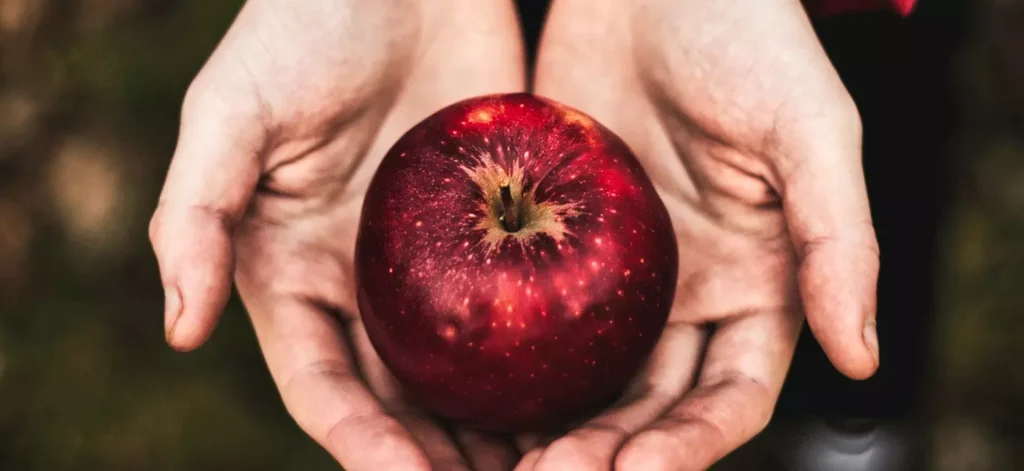
Saskatchewan is known for its harsh winters and short growing season, but that doesn’t mean you can’t grow your own delicious apples in your garden. Understanding the climate of Saskatchewan is essential for selecting the right apple trees that can thrive in this challenging environment.
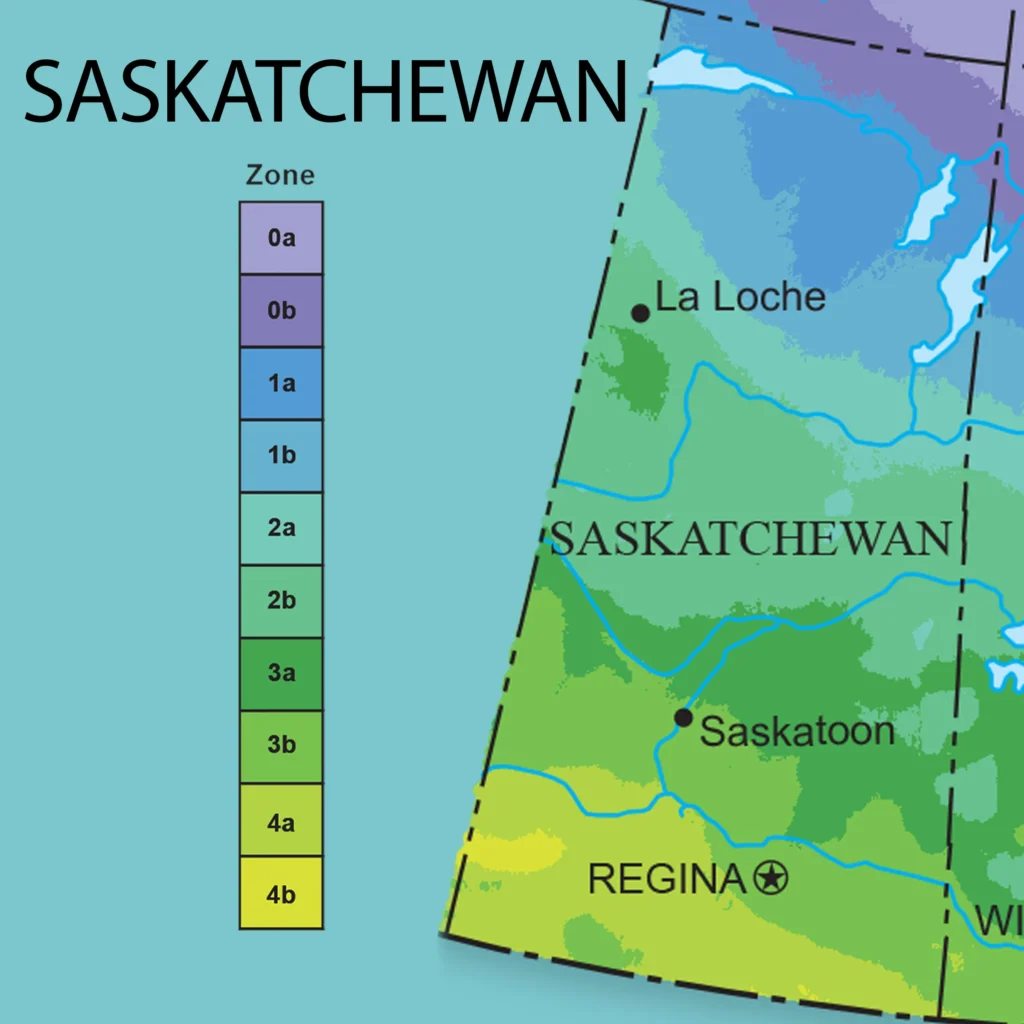
Saskatchewan is classified as a zone 3 for apple trees, which means it experiences cold temperatures and a short growing season. Zone 3 apple trees are specifically bred to withstand these conditions and still produce quality fruit. It’s important to choose apple tree varieties that are hardy and can survive the extreme cold temperatures that can reach as low as -40 degrees Celsius (-40 degrees Fahrenheit).
https://plantagreenhouses.com/blogs/planting-zones/saskatchewan
One of the key considerations when selecting the best apple trees for Saskatchewan gardens is their ability to flower and set fruit within a short growing season. Since the summers in Saskatchewan are relatively short, apple trees that require a longer growing season may not be able to fully mature and produce fruit before the cold weather sets in. Therefore, it’s recommended to choose apple tree varieties that have an early maturity date, usually around 90-120 days. This will give your apple trees enough time to blossom, fruit, and ripen before the first frost.
Another important factor to consider when choosing the best apple trees for Saskatchewan gardens is their resistance to diseases and pests. Since apple trees for Saskatchewan are more vulnerable to certain diseases and pests due to the colder climate, selecting disease-resistant apple tree varieties is crucial. Some common diseases that affect apple trees for Saskatchewan include apple scab, fire blight, and powdery mildew. Look for apple tree varieties that have good resistance to these diseases to ensure a healthy and thriving orchard.
In addition to choosing the right apple tree varieties, proper care and maintenance are essential for the success of your apple trees in Saskatchewan. Ensure that your apple trees are planted in well-draining soil and receive adequate sunlight for optimal growth. Prune your apple trees regularly to promote airflow and prevent the buildup of moisture, which can lead to disease. Water your apple trees deeply but infrequently, especially during the summer months, to encourage deep root growth and drought tolerance.
Overall, while Saskatchewan’s climate may pose some challenges for apple tree cultivation, with the right selection of apple tree varieties and proper care, you can enjoy a bountiful harvest of delicious apples in your own garden. By understanding the unique climate of Saskatchewan and choosing apple trees that are well-suited for zone 3, you can satisfy your sweet tooth with homegrown fruit and take pride in your own Saskatchewan fruit trees.
Variety of the Best Apple Trees for Saskatchewan Gardens
When it comes to choosing apple tree varieties for your Saskatchewan garden, there are a few options that have proven to be popular and successful in this region. These apple trees are specifically selected and bred to thrive in Saskatchewan’s challenging climate and provide you with a bountiful harvest of delicious fruit.

Goodland Apple Tree
The Goodland apple tree is a top choice for Saskatchewan gardens. This variety is known for its exceptional cold hardiness, making it perfect for the harsh winters of the province. Goodland apple trees are vigorous growers and produce medium-sized, bright red apples that have a crisp and juicy texture. They are ready to be harvested in late August to early September, making them an early-maturing variety that can take advantage of the shorter growing season in Saskatchewan.

Norkent Apple Tree
Another popular choice for Saskatchewan gardens is the Norkent apple tree. This variety is known for its cold hardiness and disease resistance. Norkent apple trees produce large, bright red apples that have a slightly tart and juicy flavour. They are ready to be harvested in mid to late September, making them a great option for those who prefer a later-maturing apple.

Battleford Apple Tree
The Battleford apple tree is a classic variety that has been a favourite among Saskatchewan gardeners for years. These apple trees are incredibly cold hardy and can withstand the extreme temperatures of the province. Battleford apples are medium-sized with a yellow-green colour and a sweet, slightly tart flavour. They are ready to be harvested in late August to early September.

Parkland Apple Tree
If you’re looking for an apple tree that is not only cold hardy but also disease-resistant, the Parkland apple tree is an excellent choice. This variety is highly resistant to common apple diseases like apple scab and powdery mildew. Parkland apples are medium-sized with a yellow-green colour and a sweet, crisp flavour. They are ready to be harvested in late August to early September.
Goodman Apple Tree
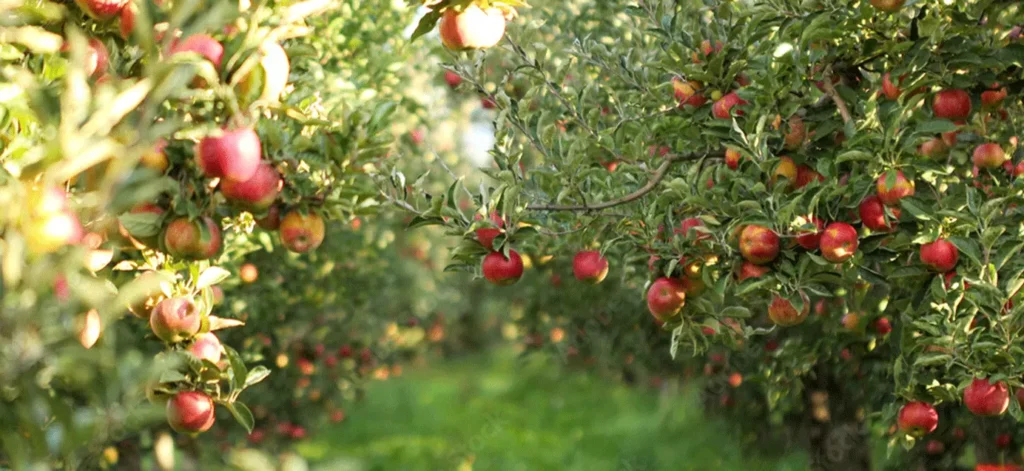
The Goodman apple tree is another popular choice for Saskatchewan gardens. This variety is known for its excellent cold hardiness and disease resistance. Goodman apple trees produce medium to large-sized, red apples that have a crisp and juicy texture. They have a sweet and slightly tart flavour and are ready to be harvested in mid to late September.
Summary
When selecting apple trees for Saskatchewan gardens, it’s important to choose varieties that are specifically bred for the unique climate of the province. These zone 3 apple trees, or fruit trees zone 3, are bred to withstand cold temperatures, short growing seasons, and potential diseases. By choosing these popular apple trees for Saskatchewan gardens, you can ensure a successful and fruitful harvest of homegrown apples.
Best Apple Trees for Saskatchewans Cold Climate
When it comes to growing apple trees in Saskatchewan, it’s important to choose varieties that can withstand the cold temperatures and short growing season of the province. Luckily, there are several apple tree varieties that are well-suited for cold climates like Saskatchewan’s zone 3. These apple trees, also known as fruit trees zone 3, have been bred to thrive in harsh conditions and still produce delicious fruit.

One of the best apple trees in Saskatchewan for cold climates is the Goodland apple tree. This variety is known for its exceptional cold hardiness, making it a top choice for gardeners in the province. Goodland apple trees are vigorous growers and produce medium-sized, bright red apples. These apples have a crisp and juicy texture, perfect for snacking or baking. The Goodland variety is ready to be harvested in late August to early September, taking advantage of the shorter growing season in Saskatchewan.

Another excellent choice for cold climates is the Norkent apple tree. This variety is known for its cold hardiness and disease resistance, making it a reliable option for Saskatchewan gardeners. Norkent apple trees produce large, bright red apples with a slightly tart and juicy flavour. They are ready to be harvested in mid to late September, allowing for a longer growing season compared to the Goodland variety.

For those who prefer a classic variety, the Battleford apple tree is a great option. These apple trees are incredibly cold hardy and can withstand the extreme temperatures of Saskatchewan. Battleford apples are medium-sized with a yellow-green color and a sweet, slightly tart flavour. They are ready to be harvested in late August to early September, making them an early-maturing variety.

If you’re looking for an apple tree that is not only cold hardy but also disease-resistant, the Parkland apple tree is an excellent choice. This variety is highly resistant to common apple diseases like apple scab and powdery mildew. Parkland apples are medium-sized with a yellow-green colour and a sweet, crisp flavour. They are ready to be harvested in late August to early September, ensuring a fruitful harvest before the cold weather sets in.
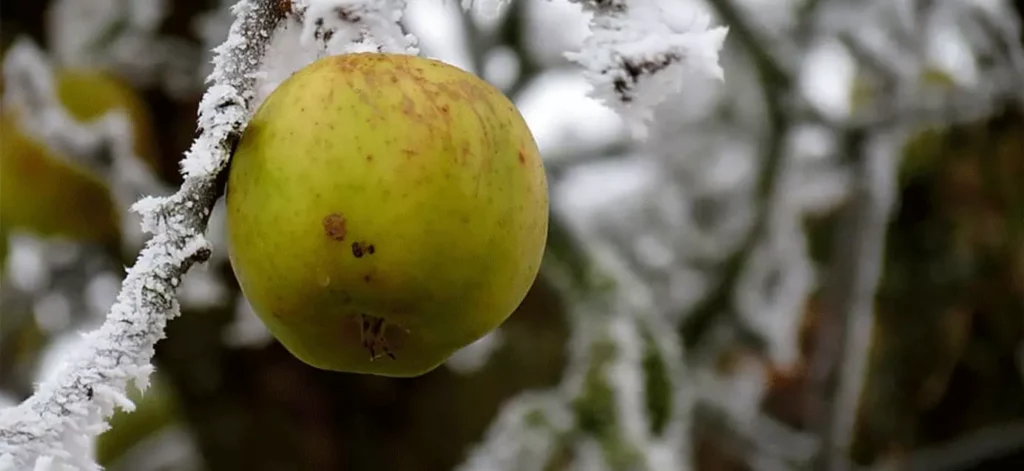
Last but not least, the Goodman apple tree is another popular choice for cold climates in Saskatchewan. This variety is known for its excellent cold hardiness and disease resistance, making it a reliable option for gardeners. Goodman apple trees produce medium to large-sized, red apples with a crisp and juicy texture. They have a sweet and slightly tart flavour and are ready to be harvested in mid to late September, providing a later-maturing option for those who prefer a longer growing season.
By selecting these cold hardy apple trees for Saskatchewan gardens, you can ensure a successful and fruitful harvest of homegrown apples. Whether you choose the Goodland, Norkent, Battleford, Parkland, or Goodman variety, these zone 3 apple trees will thrive in the challenging climate of Saskatchewan and provide you with delicious fruit year after year. So get planting and enjoy the sweet rewards of your own Saskatchewan fruit trees!
Disease-Resistant Apple Trees for Saskatchewan Gardens
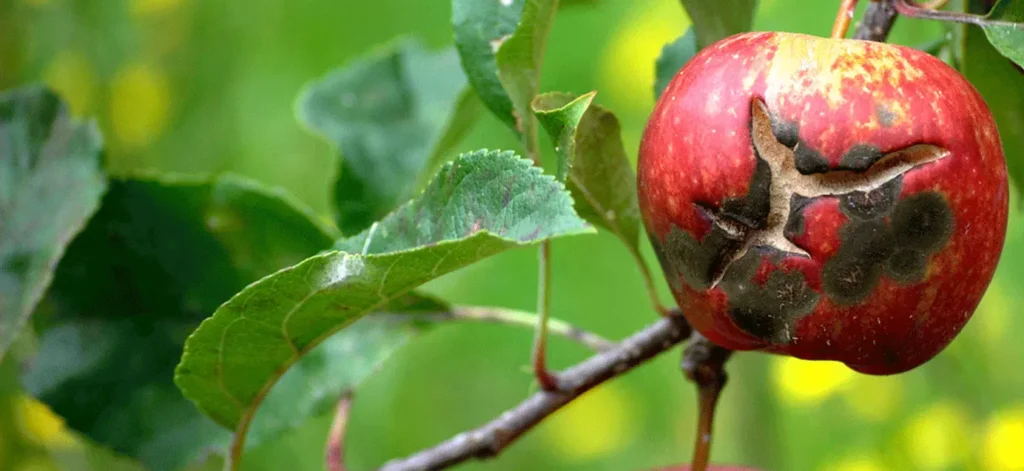
When it comes to growing apple trees in Saskatchewan, it’s essential to consider the unique challenges that the province’s climate presents. Cold temperatures, short growing seasons, and the increased vulnerability to certain diseases make it crucial to select apple tree varieties that are disease-resistant. Luckily, there are several apple tree varieties that have been specifically bred to thrive in Saskatchewan’s challenging environment and resist common diseases.
One of the disease-resistant apple trees for Saskatchewan gardens is the Prairie Magic apple tree. This variety is highly resistant to apple scab, which is a fungal disease that can cause black lesions on the fruit and leaves. The Prairie Magic apple tree produces medium-sized, red apples with a sweet and slightly tart flavour. They are ready to be harvested in late August to early September, ensuring a fruitful harvest before the cold weather arrives.
Another disease-resistant apple tree for Saskatchewan is the Norkent apple tree, which we previously mentioned as a popular choice for Saskatchewan gardens. In addition to its cold hardiness, the Norkent apple tree also exhibits strong resistance to apple scab and powdery mildew, which is another common fungal disease. The large, bright red apples produced by the Norkent variety have a slightly tart and juicy flavour, making them a delightful addition to any orchard.
If you’re looking for an apple tree that is resistant to fire blight, a bacterial disease that can cause blackened and wilted branches, the Goodland apple tree is an excellent choice. This disease-resistant variety can withstand the extreme temperatures of Saskatchewan while producing medium-sized, bright red apples that are crisp and juicy. The Goodland apple tree is also known for its exceptional cold hardiness, making it a top pick for gardeners in the province.
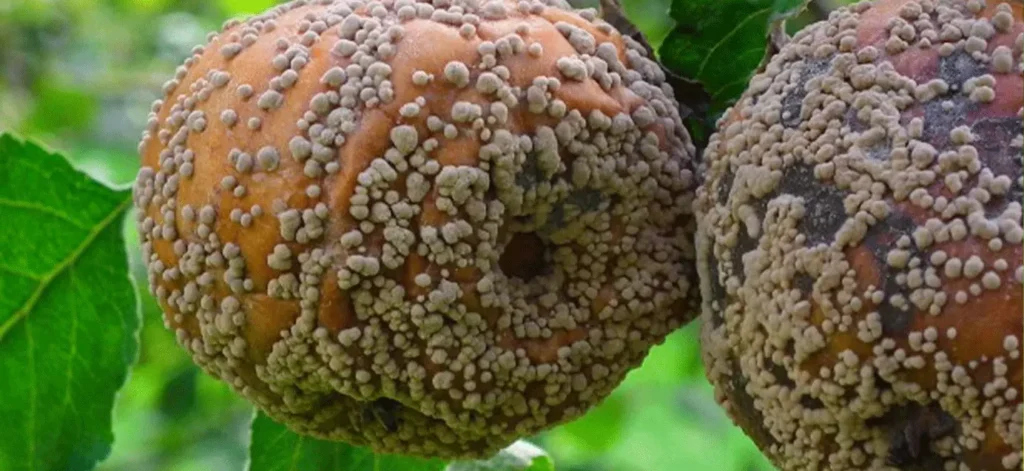
The Parkland apple trees for Saskatchewan is another disease-resistant variety that is well-suited for gardens. This apple tree exhibits excellent resistance to apple scab, powdery mildew, and fire blight, making it a reliable option for those looking to avoid common diseases. The medium-sized, yellow-green apples produced by the Parkland variety have a sweet and crisp flavour, making them a delicious treat straight from the tree or used in various culinary creations.
Last but not least, the Norland apple tree for Saskatchewan is a disease-resistant variety that thrives in challenging climate. This apple tree is resistant to apple scab and powdery mildew, ensuring a healthy and productive orchard. The medium-sized, bright red apples of the Norland variety have a tart and juicy flavour, making them a versatile option for both eating fresh and cooking.
By choosing disease-resistant apple trees for Saskatchewan gardens, you can minimise the risk of common diseases and enjoy a thriving orchard for years to come. Remember to always follow proper planting and care practices, such as selecting disease-resistant rootstocks, practising proper sanitation, and providing adequate sunlight and irrigation for your apple trees. With the right selection and care, you can have successful and disease-resistant apple trees for Saskatchewan gardens.
Tips for Planting and Caring for the Best Apple Trees in Saskatchewan
Now that you’ve selected the best apple trees for Saskatchewan gardens, it’s time to dive into the exciting world of planting and caring for your fruit trees zone 3. Here are some valuable tips to help ensure the success of your apple trees for Saskatchewan’s challenging climate.

Choose the Right Location
Select a sunny spot in your garden that receives at least six hours of direct sunlight per day. This will provide your apple trees with the warmth and light they need to thrive. Ensure that the soil is well-draining to prevent waterlogging, which can lead to root rot. Avoid planting your apple trees in low-lying areas where cold air can settle, increasing the risk of frost damage.
Prepare the Soil
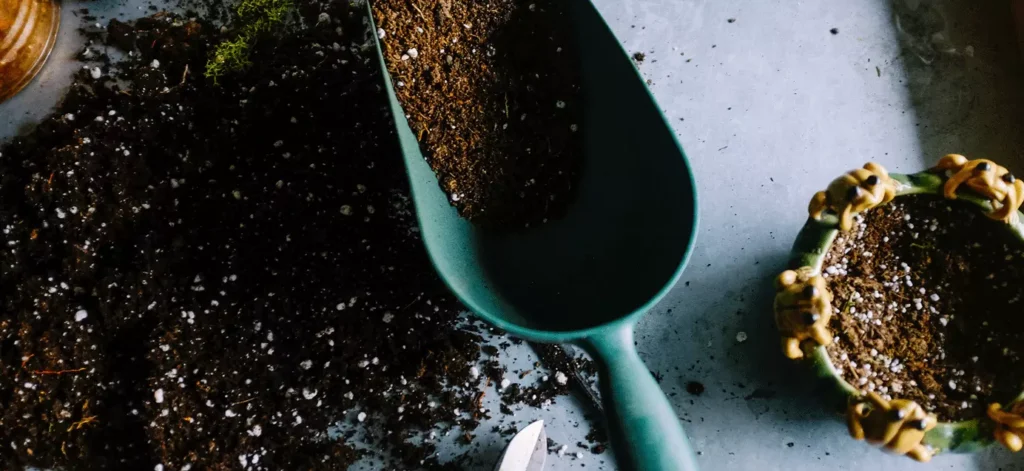
Before planting your apple trees, prepare the soil by removing any weeds, rocks, or debris. Test the pH level of the soil and adjust it if necessary. Apple trees prefer slightly acidic soil with a pH between 6.0 and 6.5. Incorporate organic matter such as compost or well-rotted manure into the soil to improve its fertility and drainage.

Planting Technique
Dig a hole that is wide and deep enough to accommodate the root system of your apple tree. Gently spread out the roots and position the tree in the center of the hole, making sure that the graft union is above the soil line. Backfill the hole with soil, firming it gently around the roots. Avoid overpacking the soil, as it can prevent proper root growth. Water thoroughly after planting to settle the soil and remove any air pockets.
Pruning and Training
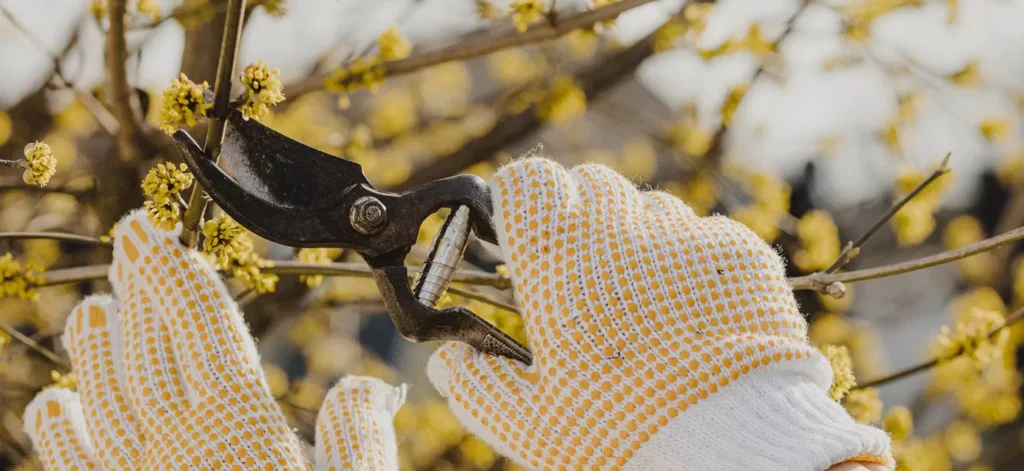
Pruning is an essential part of apple tree care and helps promote healthy growth and fruit production. Prune your apple trees in late winter or early spring while they are still dormant. Remove any dead, damaged, or crossing branches. Thin out the canopy to improve airflow and sunlight penetration. Train your apple trees to a desired shape, such as an open-centre or central-leader system, depending on the variety. This will help maintain the tree’s structural integrity and facilitate harvesting.
Watering
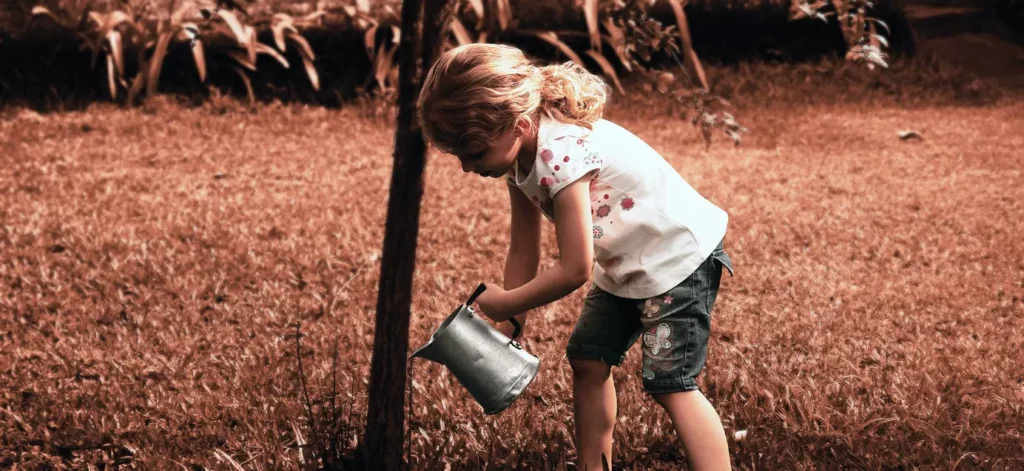
Adequate watering is crucial for the establishment and growth of your apple trees. Water deeply but infrequently, aiming for about 1-2 inches of water per week during the growing season. Monitor the soil moisture levels and adjust your watering schedule accordingly. Be mindful of overwatering, as it can lead to root rot. Mulching around the base of your apple trees can help retain moisture and suppress weeds.
Fertilising
Apple trees have specific nutrient requirements for optimal growth and fruit production. Apply a balanced fertiliser, such as a 10-10-10 or 14-14-14, in early spring before the trees break dormancy. Follow the manufacturer’s instructions for the proper application rate. Avoid over-fertilizing, as it can lead to excessive vegetative growth at the expense of fruit production. Monitor your apple trees for nutrient deficiencies, such as yellowing leaves, and address them accordingly.
Pest and Disease Management
Regular monitoring is essential to identify and address any pest or disease issues promptly.